Together we work on research
for the medicine of the future
Projects Carousel

Hard on the heels of tumors
Institutions involved
Team size
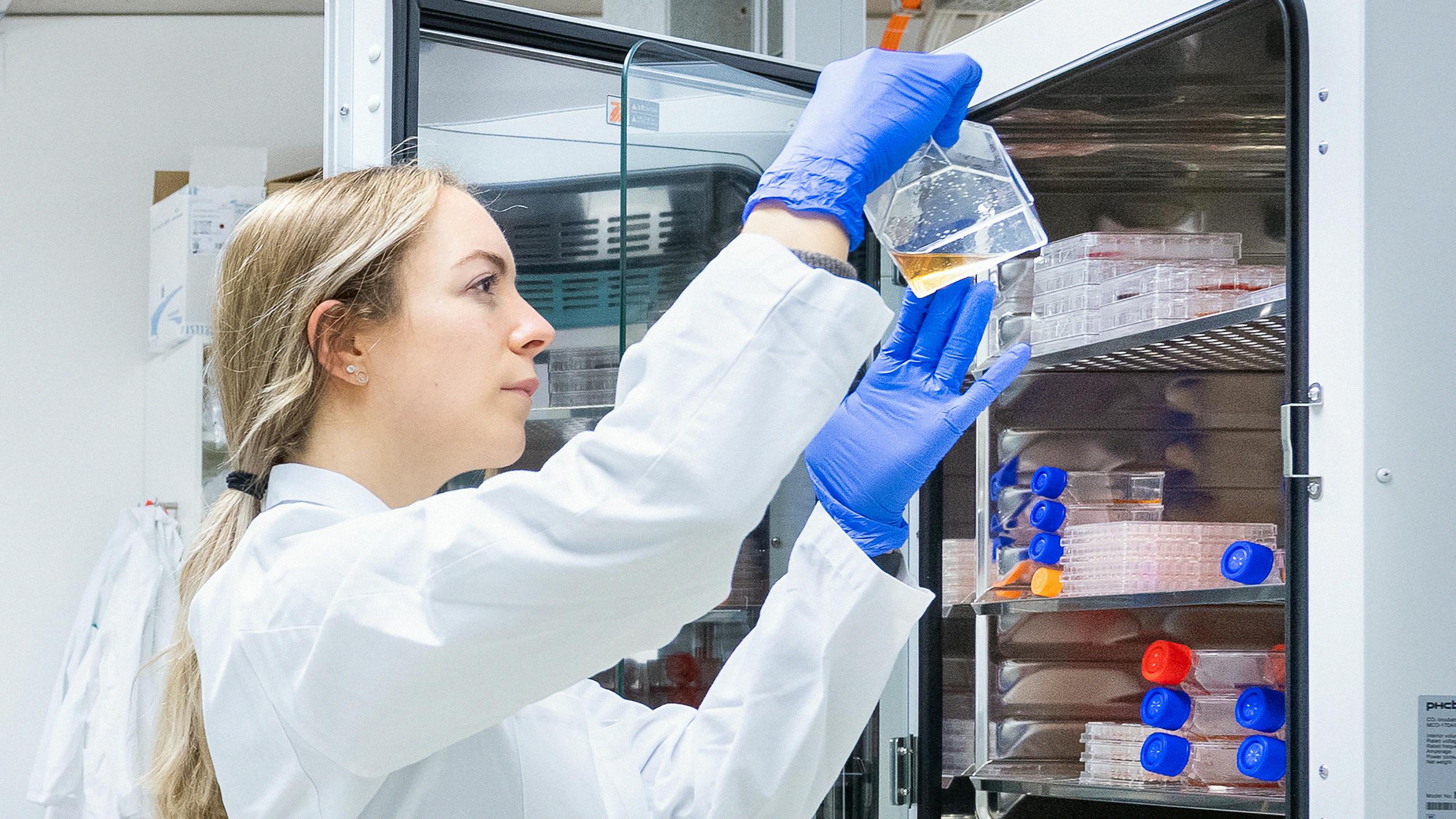
Research brings hope for children with aggressive brain tumors
Institutions involved
Team size
External funding sources
External Funding
in CHF millions

Mobility for stroke and Parkinson’s patients
Institutions involved
Team size
External funding sources
External funding
in CHF millions

Measuring stress
Institutions involved
Team size
External funding sources
External funding
in CHF millions
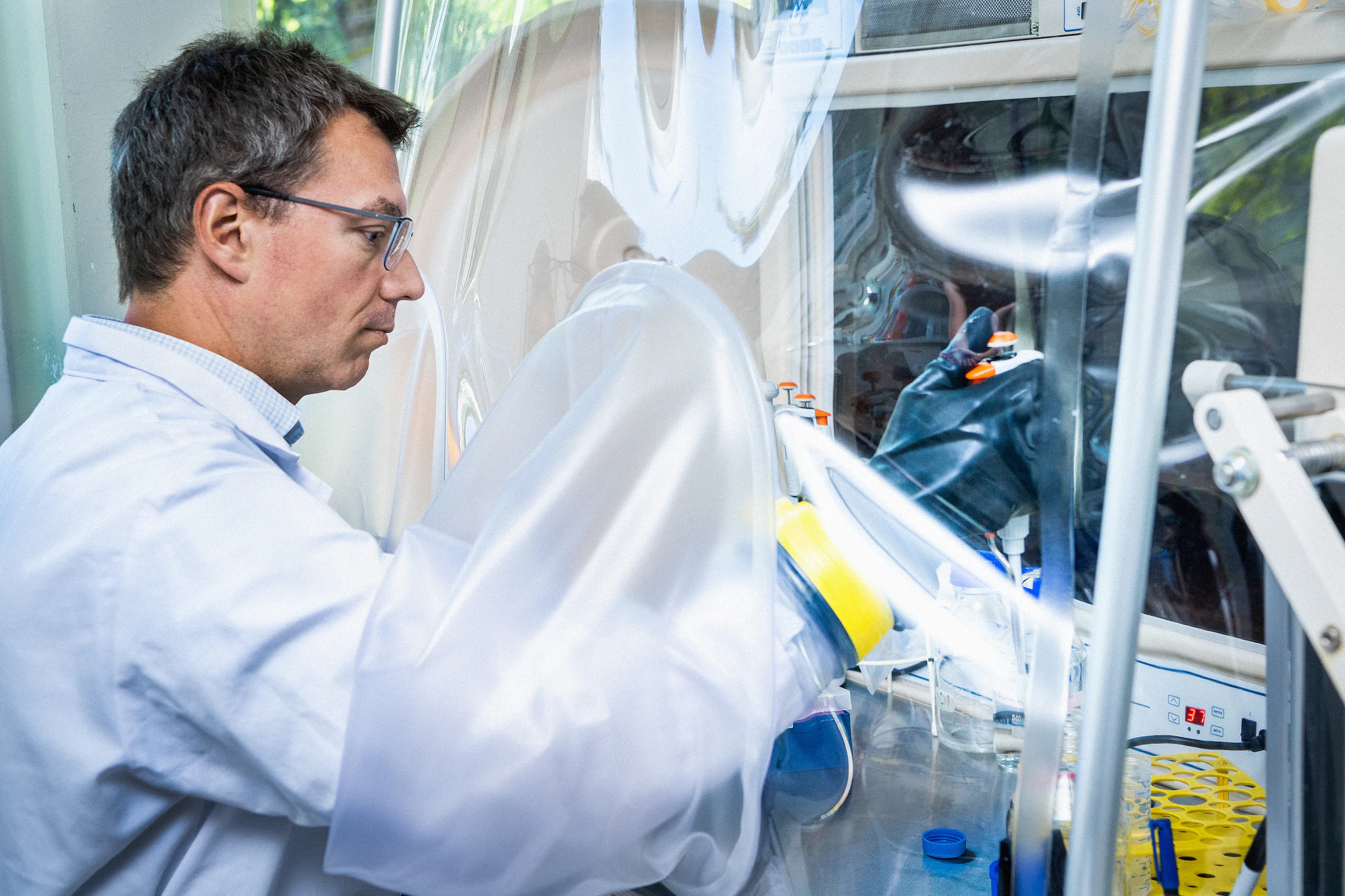
The role of gut bacteria in boosting cancer treatment
Institutions involved
Team size
External funding sources
External funding
in CHF millions
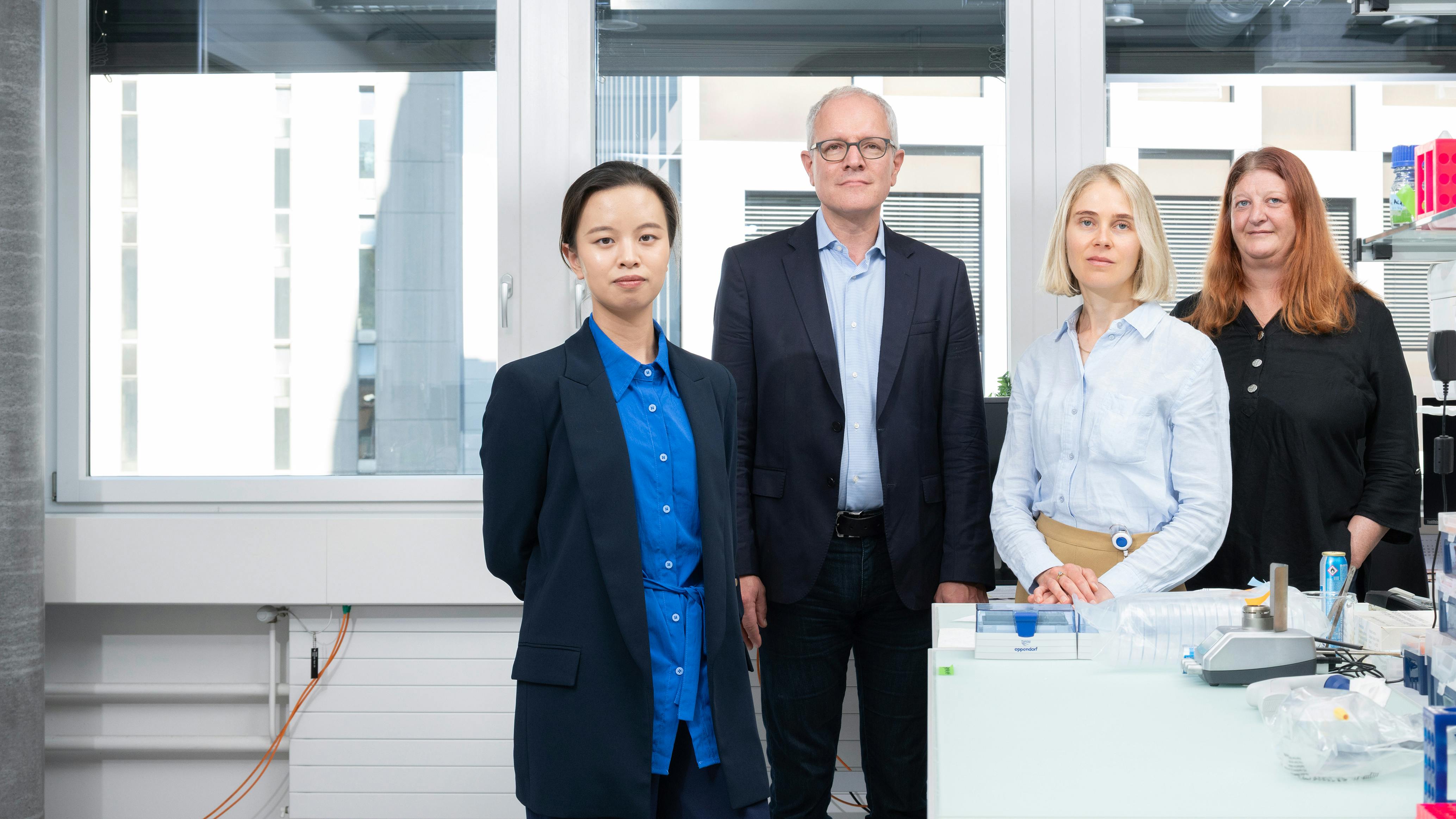
When skin turns to stone
Institutions involved
Team size
External funding sources
External funding
in CHF millions
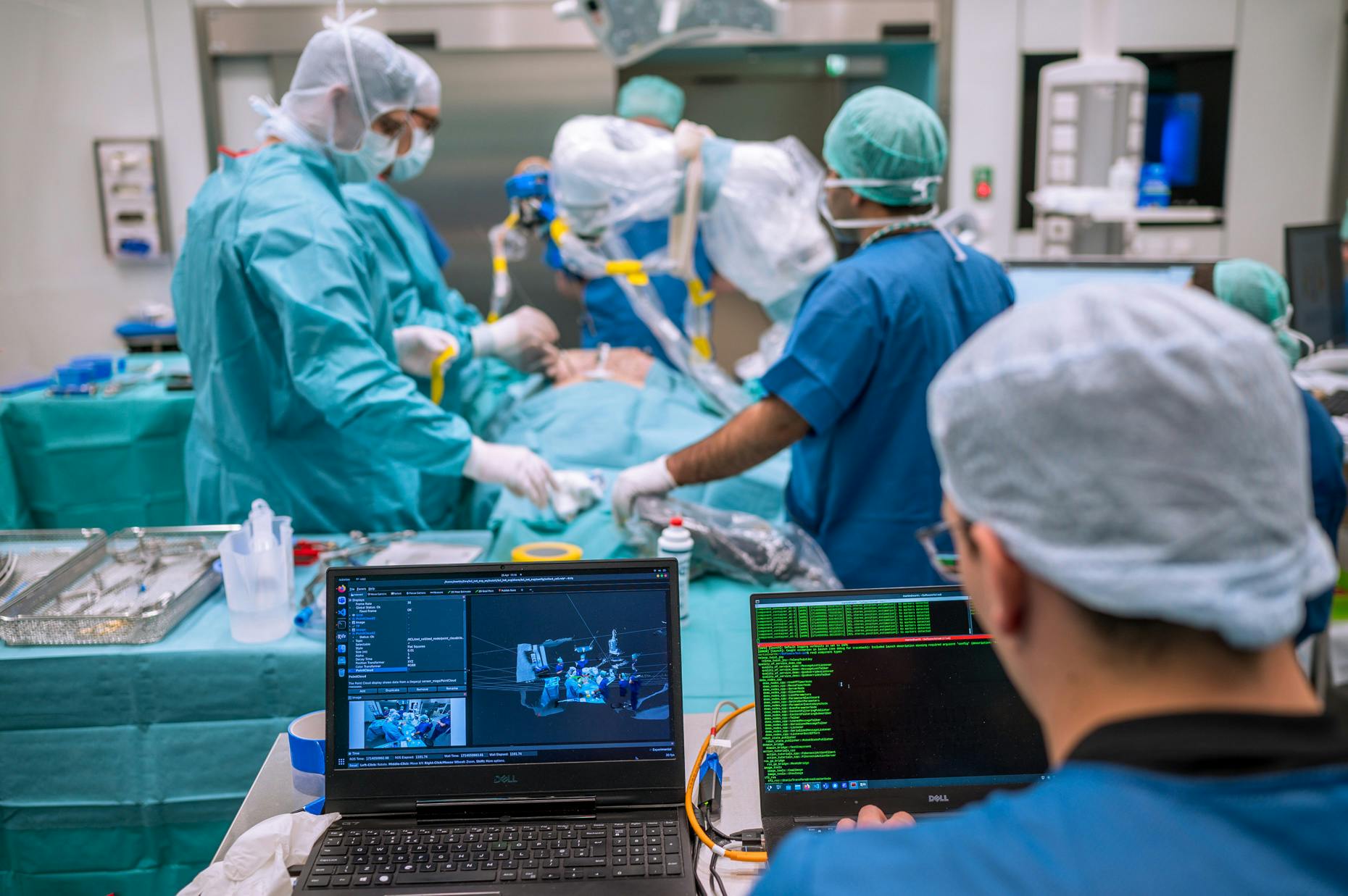
A robot with intuition
Institutions involved
Team size
External funding sources
External Funding
in EUR millions
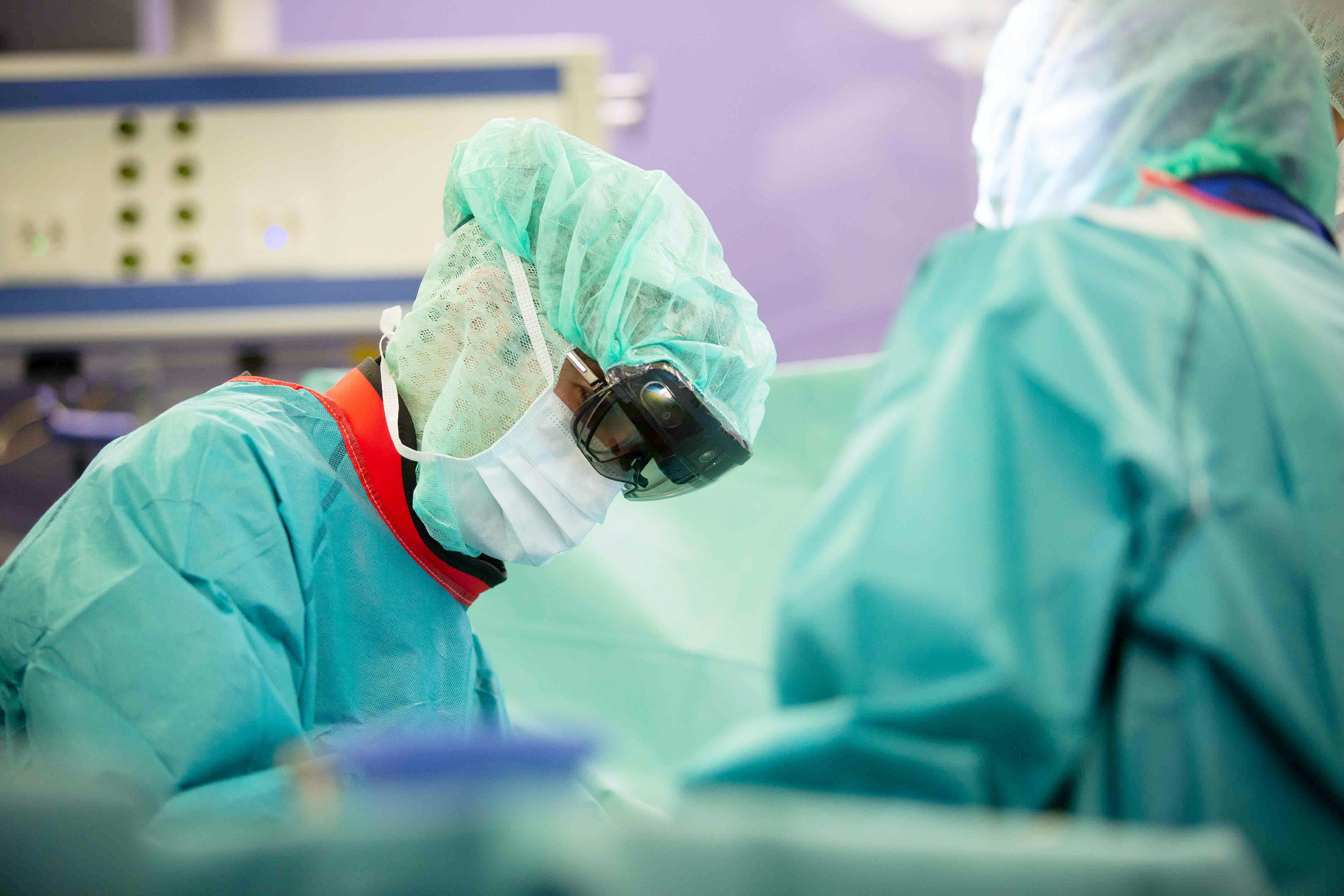
The smart operating theatre with digital twins
Institutions involved
Team size
>
External funding sources
External funding
in CHF millions

Digital assistant for cancer treatment
Institutions involved
Team size
External funding sources
External funding
in CHF millions

Personalized treatment of urinary tract infections
Institutions involved
Team size
External funding sources
External funding
in CHF millions
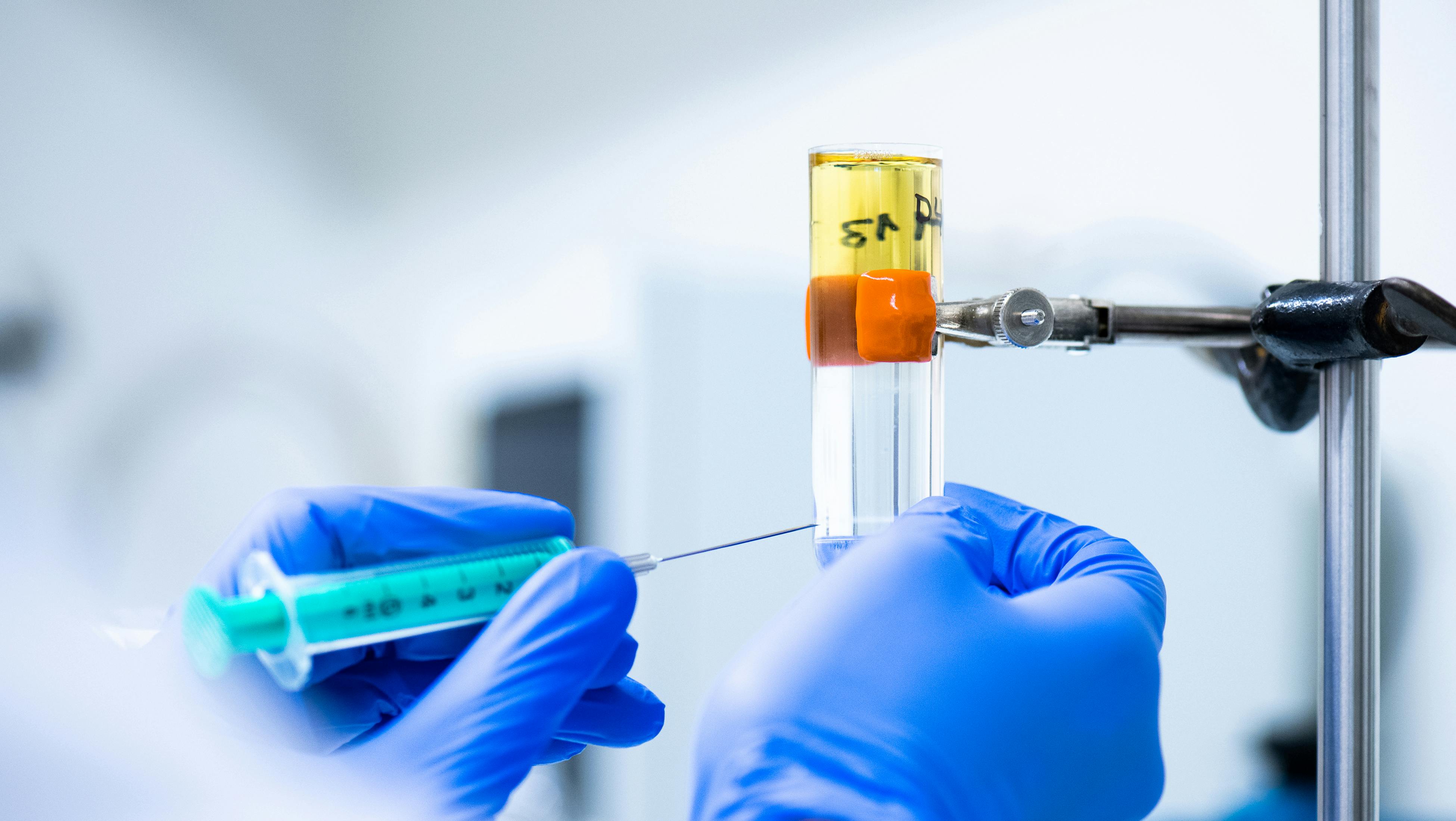
Bacteria-eaters combat bladder infections
Institutions involved
Team size
>
External funding sources
External funding
in CHF millions
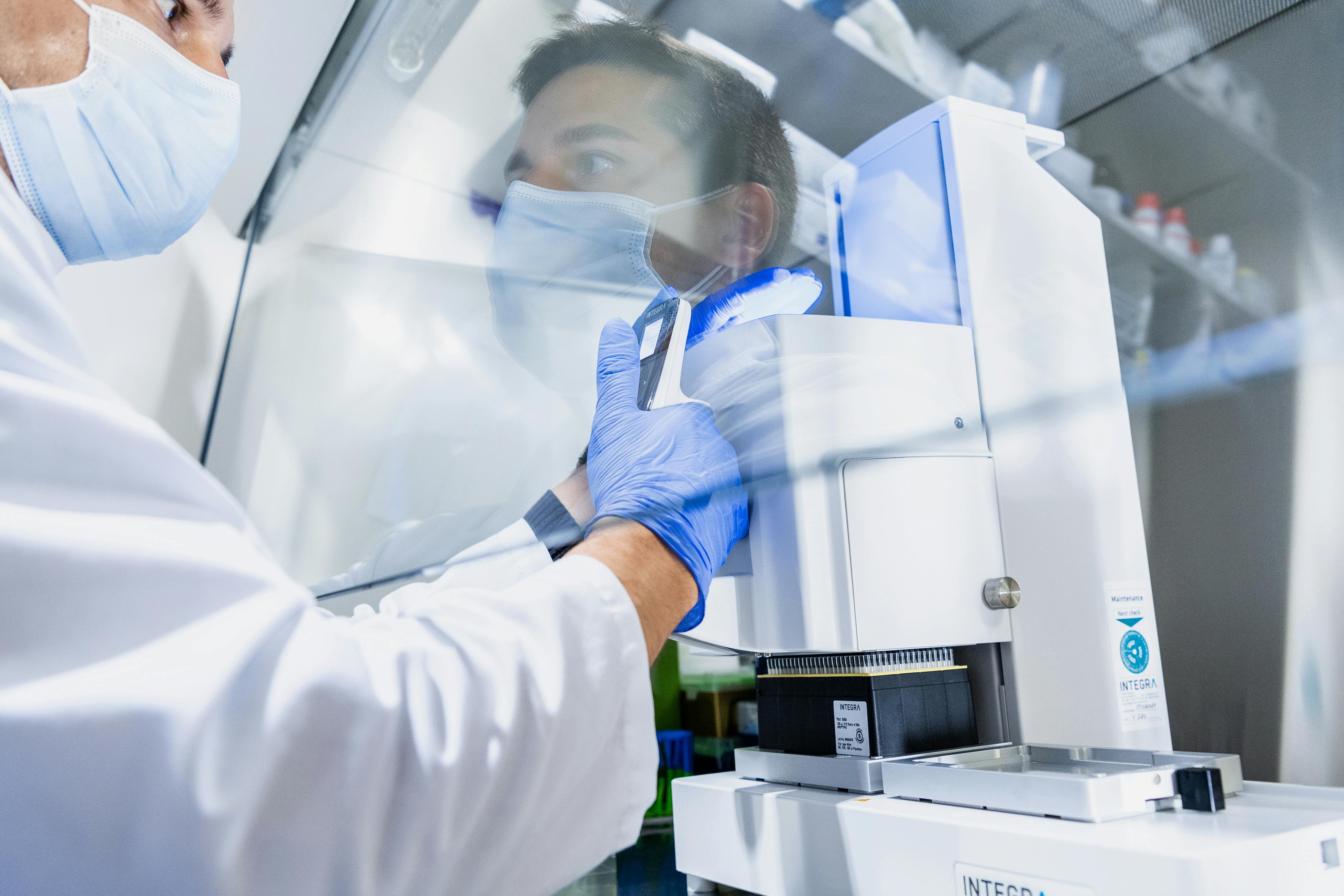
Precision medicine for children and adults with blood cancer
Institutions involved
Team size
>
External funding sources
External funding
in CHF millions
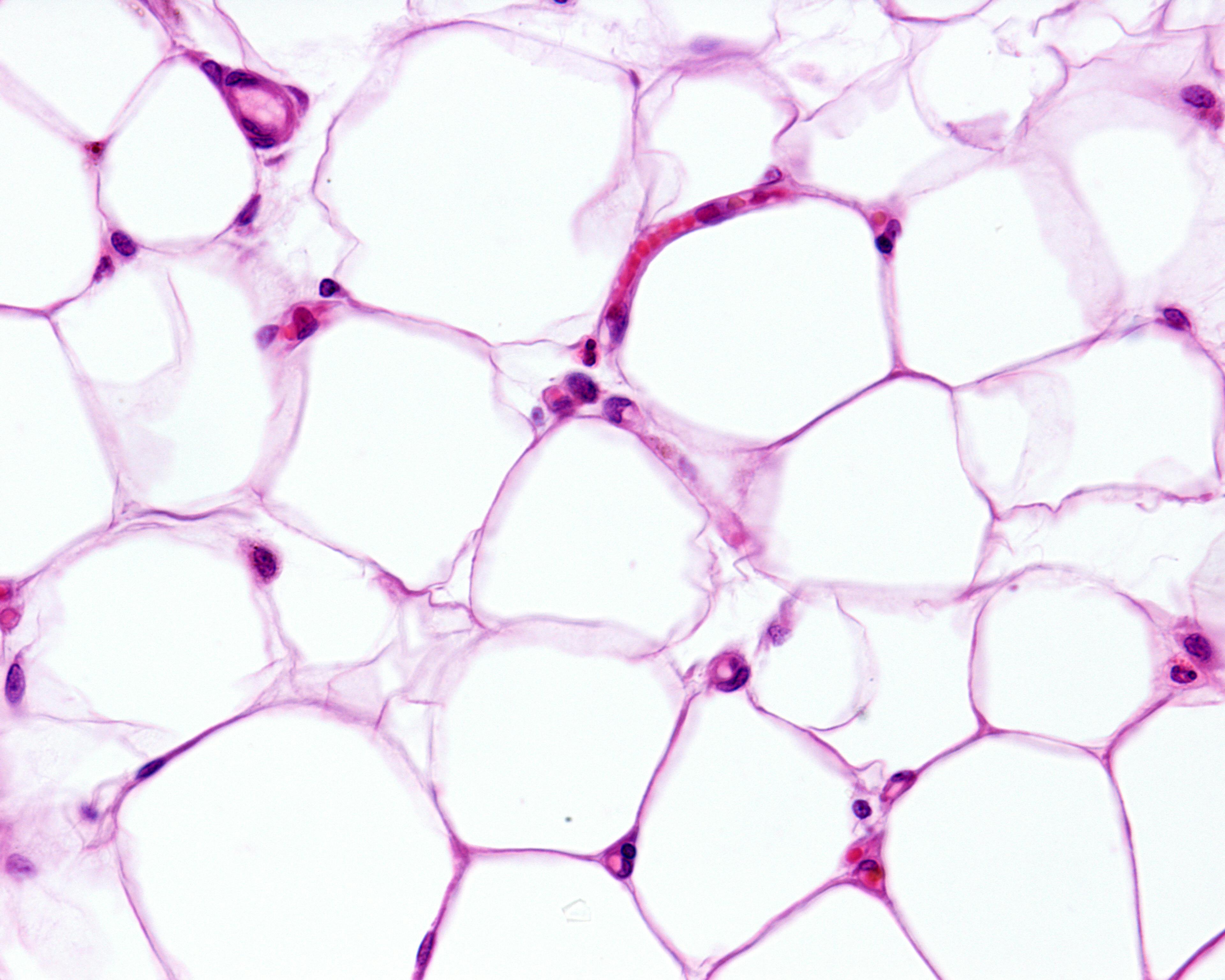
Precision medicine to combat obesity
Institutions involved
Team size
External funding sources
External Funding
in CHF millions
Hard on the heels of tumors
Institutions involved
Team size
Research brings hope for children with aggressive brain tumors
Institutions involved
Team size
External funding sources
External Funding
in CHF millions
Mobility for stroke and Parkinson’s patients
Institutions involved
Team size
External funding sources
External funding
in CHF millions
Measuring stress
Institutions involved
Team size
External funding sources
External funding
in CHF millions
Discover Projects
Precision medicine for mental health
With its new focus on "precision medicine for mental health", University Medicine Zurich (UMZH) is responding to one of the greatest health-related challenges of our time. Mental illnesses are among the most common, debilitating and cost-intensive illnesses, and they also affect many young people. However, despite its considerable societal relevance, psychiatry is still one of the the least-developed medical fields. This is partly due to the complexity of mental illnesses: biological, psychological and social factors are tightly interlinked, making prevention, diagnosis and therapy more difficult.
Precision medicine is a promising approach to tackling these challenges. Among other things, it uses large data sets and artificial intelligence to draw together findings from different medical disciplines and enable a deeper understanding of illness mechanisms. Prediction models based on machine learning are expected to enable more precise prognoses, more patient-specific treatments, and early interventions. In this way, precision medicine aims to improve patients' quality of life in the long term.
Zurich provides optimal conditions for this, with two internationally leading universities in neurosciences, psychiatry and research into Artificial Intelligence, strong clinical partners, and an outstanding data and technology infrastructure.
Precision medicine for mental health
With its new focus on "precision medicine for mental health", University Medicine Zurich (UMZH) is responding to one of the greatest health-related challenges of our time. Mental illnesses are among the most common, debilitating and cost-intensive illnesses, and they also affect many young people. However, despite its considerable societal relevance, psychiatry is still one of the the least-developed medical fields. This is partly due to the complexity of mental illnesses: biological, psychological and social factors are tightly interlinked, making prevention, diagnosis and therapy more difficult.
Precision medicine is a promising approach to tackling these challenges. Among other things, it uses large data sets and artificial intelligence to draw together findings from different medical disciplines and enable a deeper understanding of illness mechanisms. Prediction models based on machine learning are expected to enable more precise prognoses, more patient-specific treatments, and early interventions. In this way, precision medicine aims to improve patients' quality of life in the long term.
Zurich provides optimal conditions for this, with two internationally leading universities in neurosciences, psychiatry and research into Artificial Intelligence, strong clinical partners, and an outstanding data and technology infrastructure.
A renowned team of experts
The new "mental health" focus will be directed by interdisciplinary experts who will contribute their knowledge, experience and commitment:
• Prof. Dr. Dipl.-Psych. Susanne Walitza, University Hospital of Psychiatry Zurich
• Prof. Dr. Sofie Valk, University Hospital of Psychiatry Zurich
• Prof. Dr. Milo Puhan, University of Zurich
• Prof. Dr. Reto Huber, University Children's Hospital Zurich
• Prof. Dr. Dr. Klaas Enno Stephan, University of Zurich and ETH Zurich

Data in Precision Medicine
New developments in medicine are coming thick and fast. Technological advances are increasingly making it possible to understand diseases and the processes taking place in the human body down to the level of individual genes and cells. This brings definite benefits for patients. The earlier an accurate diagnosis can be made and the more precisely a disease can be treated, the greater the prospects of a cure or an improvement in the patient’s quality of life. Nowadays, treatments can be tailored to individual patients more and more effectively. This is what is known as precision medicine and the pioneering field in this area is oncology. We now know that every tumor is unique. If we can analyze the genome of tumor cells, for example, we will have a better chance of making a targeted attack on their weak points.
Successfully Closing the Gap from Research to the Market
Those looking to found a spin-off based on a medical innovation will find excellent conditions in Zurich. Researchers benefit from the outstanding infrastructure at the universities and the advantages of the region as a business hub. University Medicine Zurich is a driving force in this dynamic innovation landscape. Through the Translational Medicine Accelerator (TMA), it offers tailored support to accelerate the development of marketable applications or products from research results. Additionally, the TMA provides a valuable network that connects industry and investors. This commitment contributes sustainably to strengthening the region by creating highly qualified jobs and improving healthcare – even on a global scale.
Numerous spin-offs in Zurich demonstrate how the step into entrepreneurship can succeed. With targeted support, they have brought their medical innovations to market. Our series showcases some of these successes.
Successfully Closing the Gap from Research to the Market
Those looking to found a spin-off based on a medical innovation will find excellent conditions in Zurich. Researchers benefit from the outstanding infrastructure at the universities and the advantages of the region as a business hub. University Medicine Zurich is a driving force in this dynamic innovation landscape. Through the Translational Medicine Accelerator (TMA), it offers tailored support to accelerate the development of marketable applications or products from research results. Additionally, the TMA provides a valuable network that connects industry and investors. This commitment contributes sustainably to strengthening the region by creating highly qualified jobs and improving healthcare – even on a global scale.
Numerous spin-offs in Zurich demonstrate how the step into entrepreneurship can succeed. With targeted support, they have brought their medical innovations to market. Our series showcases some of these successes.
OBaris
Pain-free alternative for administering medication
With their «OctoPatch» suction cup, Nevena Paunović and David Klein Cerrejon want to revolutionize how people take their medication.

TMA & ZH3D
Zurich offers ideal conditions for spin-offs
To help close the gap between scientific research and use in practice, UMZH is offering interested spin-offs an opportunity to improve their competitiveness with the Translational Medicine Accelerator (TMA) and Zurich Hub for Drug and Device Development (ZH3D).

Navignostics
Precision diagnostics for tumor diseases
Together with three partners, Jana Fischer has taken the bold step of founding a company and entering the world of private enterprise. The tumor diagnostics services offered by her company «Navignostics» have been available in Switzerland since 2025 and help treatment providers make better-informed decisions.
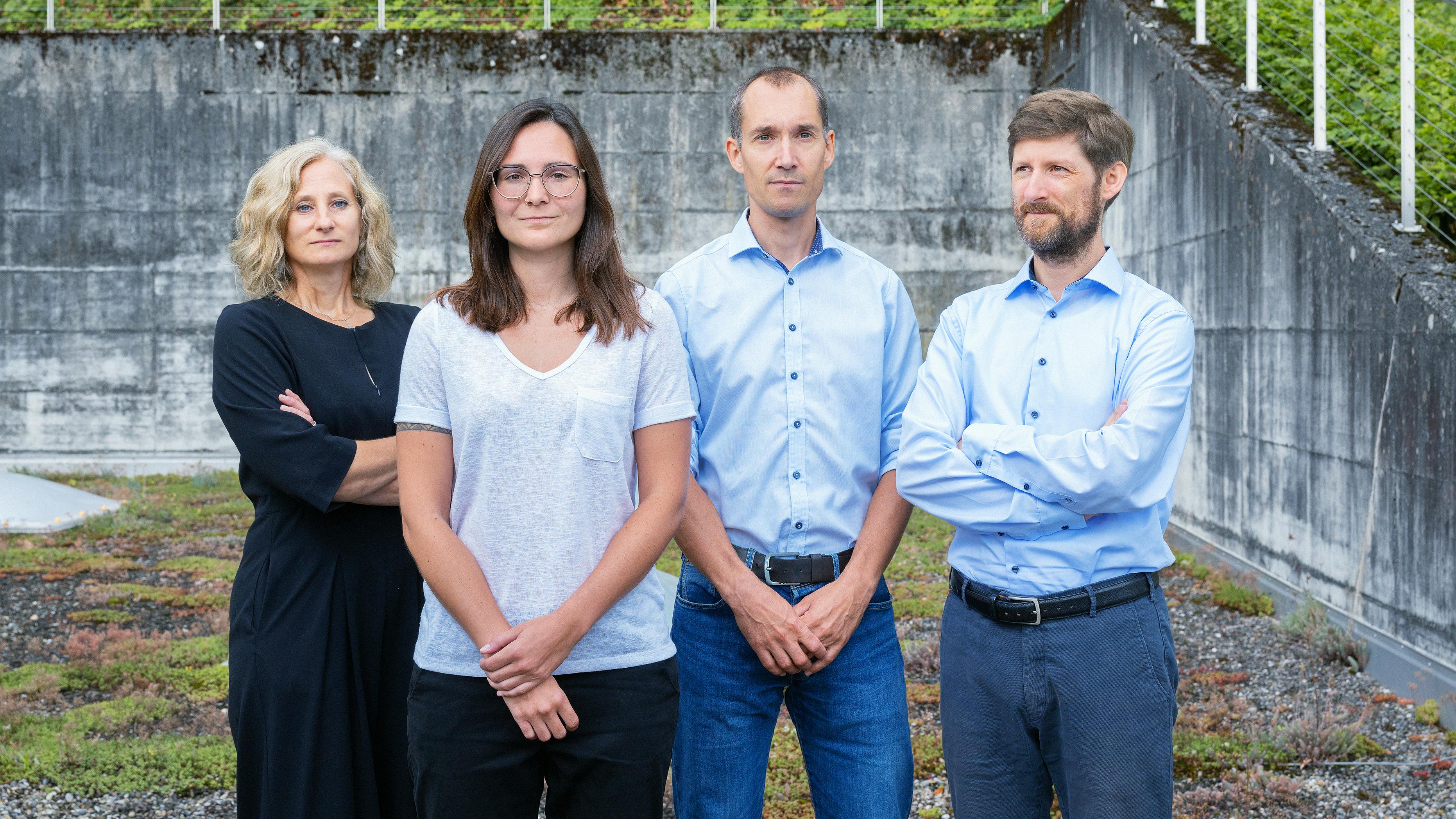
Apricot BIO
The Google Maps of cell analysis
Lucas Pelkmans and Michael Zering are the brains behind Apricot BIO, a spin-off at the University of Zurich. They have developed a process for quickly determining just the right medication for cancer patients. This gives physicians valuable information to aid in their provision of personalised medication-based treatment.
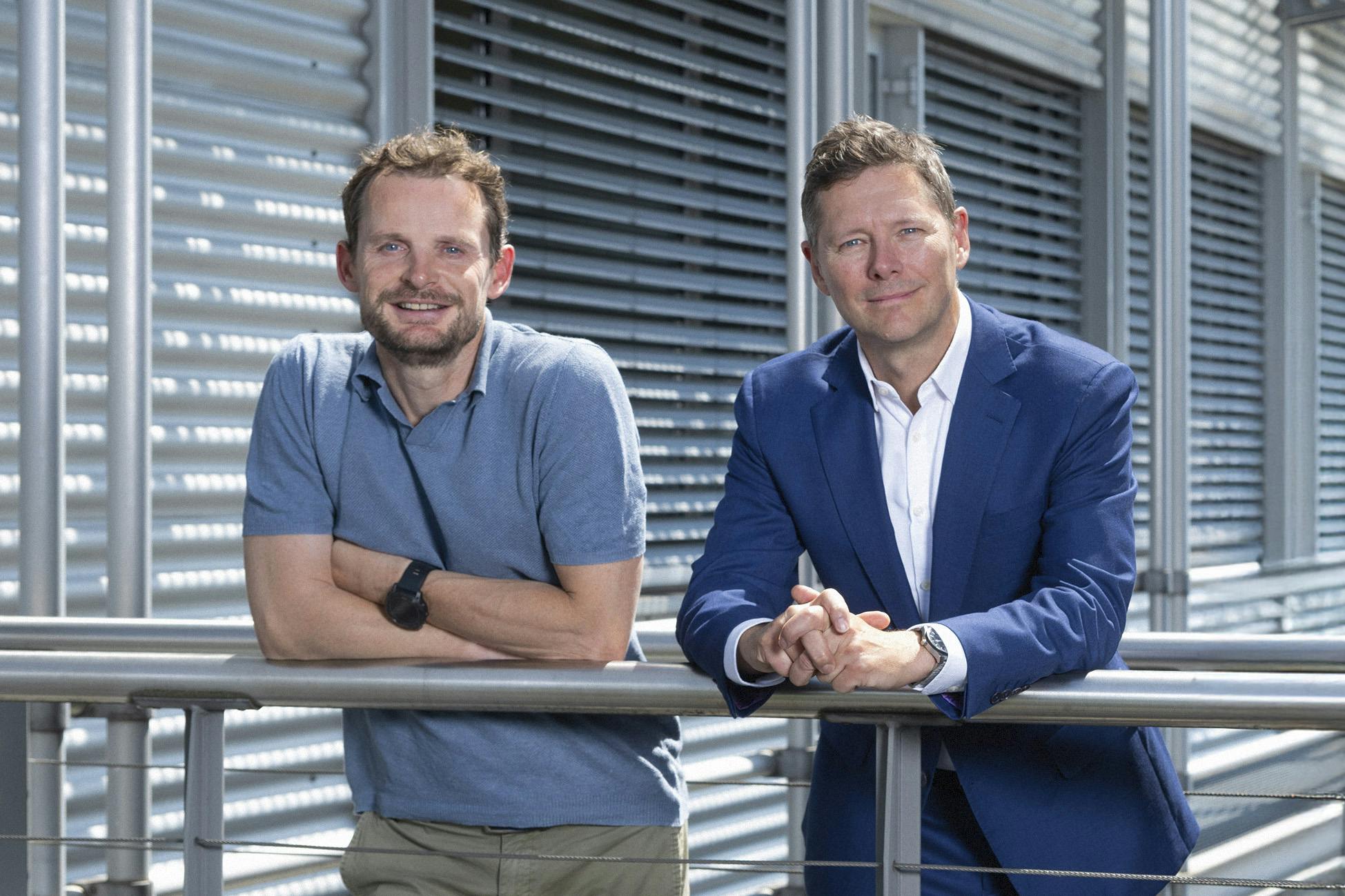
OxyPrem
Oxygen Sensor for Premature Babies
Each year, some 6,000 to 7,000 babies are born prematurely in Switzerland. This equates to around eight percent of all deliveries. These early arrivals often suffer from a lack of oxygen. The start-up known as OxyPrem has developed a device that accurately measures oxygen levels and can therefore help save lives.
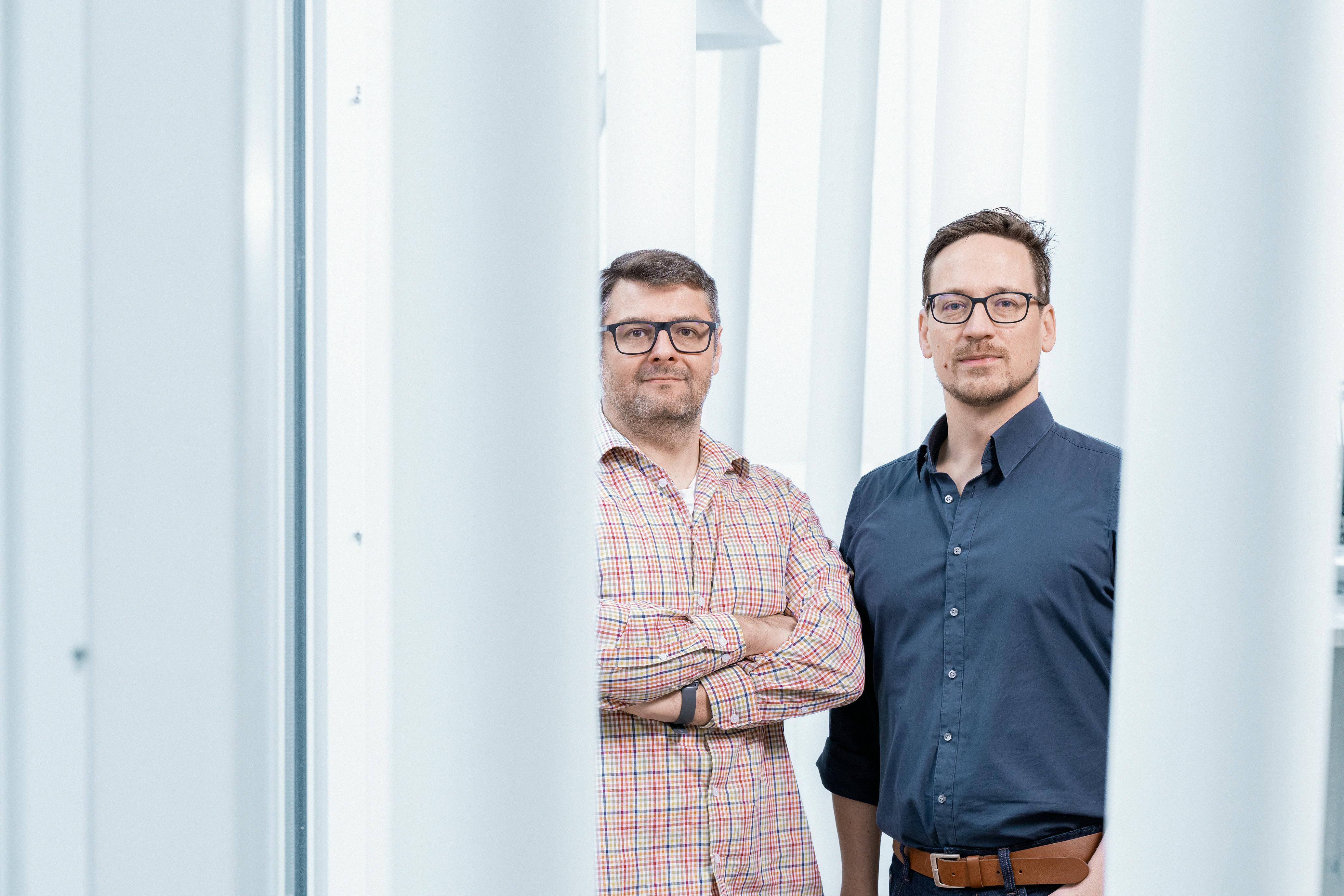
ONTRACK
Fast, painless, precise: new urine test for prostate cancer screening
It is well known that men are not keen on visiting the doctor, and urologists in particular. So there is a risk of prostate cancer being detected too late. A simple urine test may be able to minimize the risk in future. This test is being developed by the ONTRACK Biomedical spin-off.