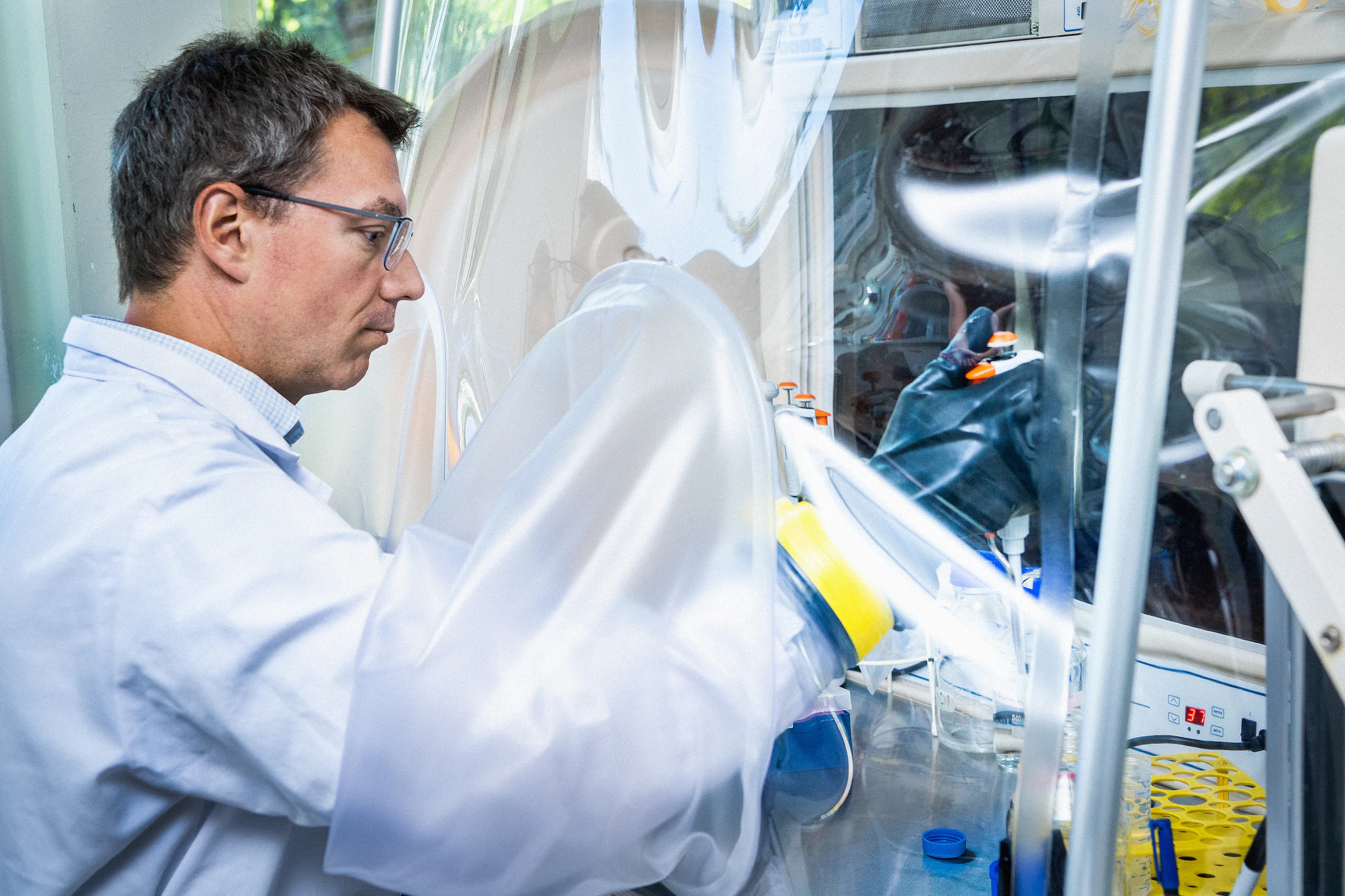
Contact
Prof. Dr. med. Michael Scharl
Chief of Service in the Department of Gastroenterology and Hepatology
at University Hospital Zurich and professor of translational microbiome research at the University of Zurich
+41 44 255 34 19
michael.scharl@usz.ch
UMZH institutions
University of Zurich
University Hospital Zurich
Team
Cancer immunotherapy has been one of the greatest advances in the field of oncology in recent years. Unlike chemotherapy and radiotherapy, this form of treatment does not directly attack tumour cells, but instead blocks what are known as checkpoints – molecular control points on T-cells. Tumours exploit these checkpoints to disguise themselves as harmless. If these checkpoints are blocked by medications, the T-cells can once again recognise the cancer cells and attack them.
However, this principle only works in some patients. Depending on the type of tumour, around 50 per cent at most respond to immune checkpoint therapy in the long-term, while the treatment proves ineffective for the rest. The reason why the immune system does not respond is one of the key focus areas of current cancer research.
This is where the Zurich microbiome project comes in. An interdisciplinary team at University Hospital Zurich and the University of Zurich is investigating whether the gut microbiome – the totality of bacteria in the gut – plays a role here. The idea arose from observations made in recent years, which suggested that gut bacteria affect the immune system far more than previously thought. Could they therefore have an impact on whether immunotherapy is effective?
In order to put this theory to the test, patients whose tumours had not responded to ongoing immune checkpoint blockade also underwent faecal microbiota transplantation (FMT) – transferred via colonoscopy from donors who had previously responded very well to ongoing immune checkpoint blockade. The cancer therapy itself continued unchanged.
The result is remarkable: in approximately half of the individuals who had previously been resistant to treatment, an effect on cancer therapy was observed. The immune therapy, which had previously been ineffective, suddenly started to work.
Crucial shift in perspective
"The transfer evidently altered the immunological and metabolic conditions in such a way that the existing therapy could take effect," says Michael Scharl, professor of translational microbiome research at the University of Zurich and Gastroenterology at University Hospital Zurich. Between 2022 and the end of 2025, the microbiome project received CHF 1.65 million in funding from the Comprehensive Cancer Center Zurich (CCCZ). It includes contributions from a host of experts, including Anne Müller, professor of experimental medicine and Mitchell Levesque, professor of experimental immunodermatology.
However, the key finding of the study lies not only in the clinical observation, but in the shift in perspective that results from it. In the beginning, the researchers concentrated on so-called "super donors," i.e. donors with particularly favourable bacterial compositions, in the hope of being able to identify certain types of bacteria that could reliably boost response rates. But the new data speaks a different language altogether: the crucial factor is seemingly not so much which bacteria are transferred but rather the immune system into which they are transplanted.
Cancer patients with a certain population of monocytes in the gut and a high diversity of T-cell receptors are far more likely to benefit. These receptors determine which antigen structures a T-cell can recognise. "The broader this repertoire, the greater the chance that activated immune cells will actually identify tumour antigens," says Scharl. FMT therefore does not create new immunological capabilities – it mobilises existing ones.
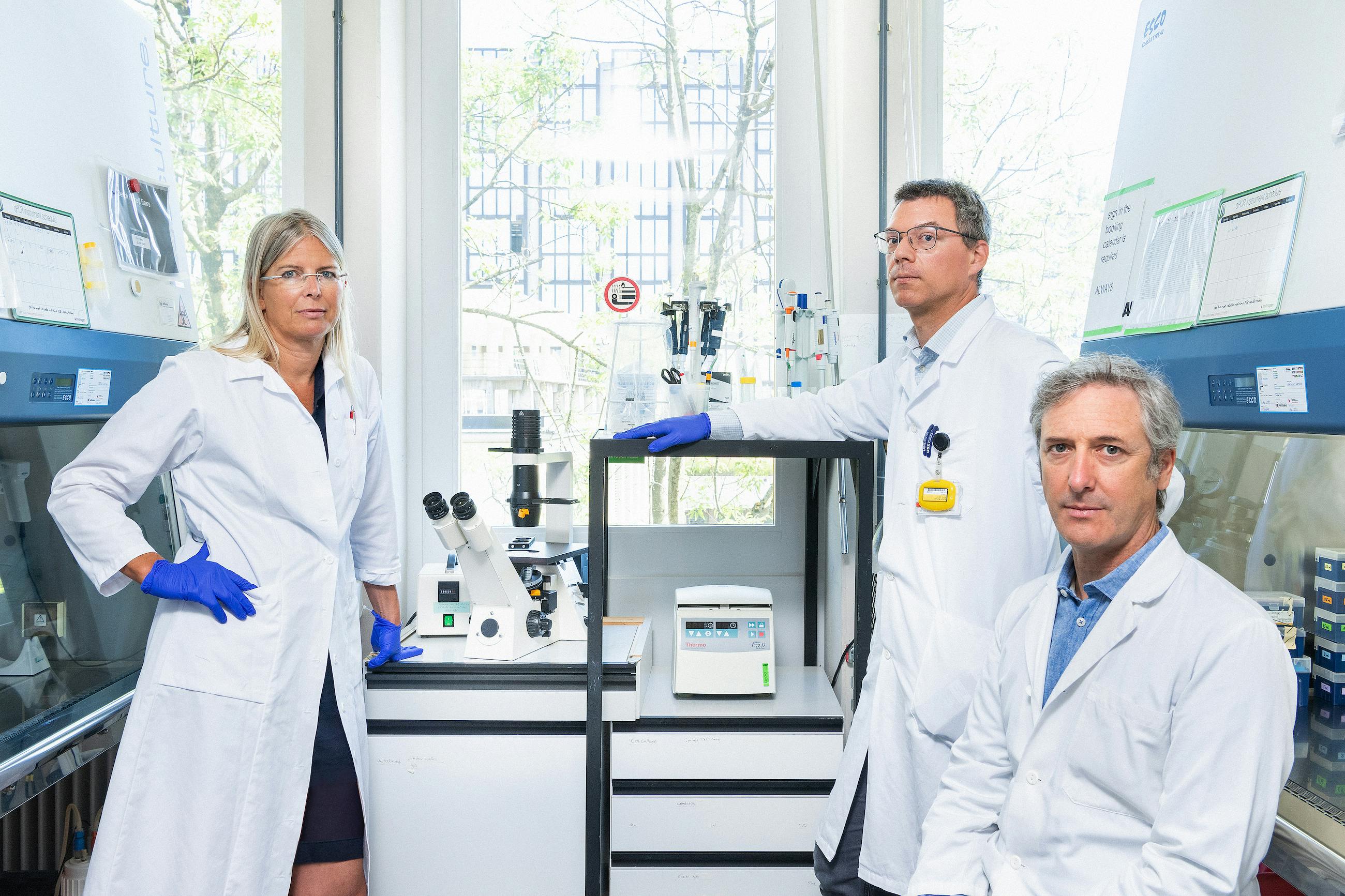
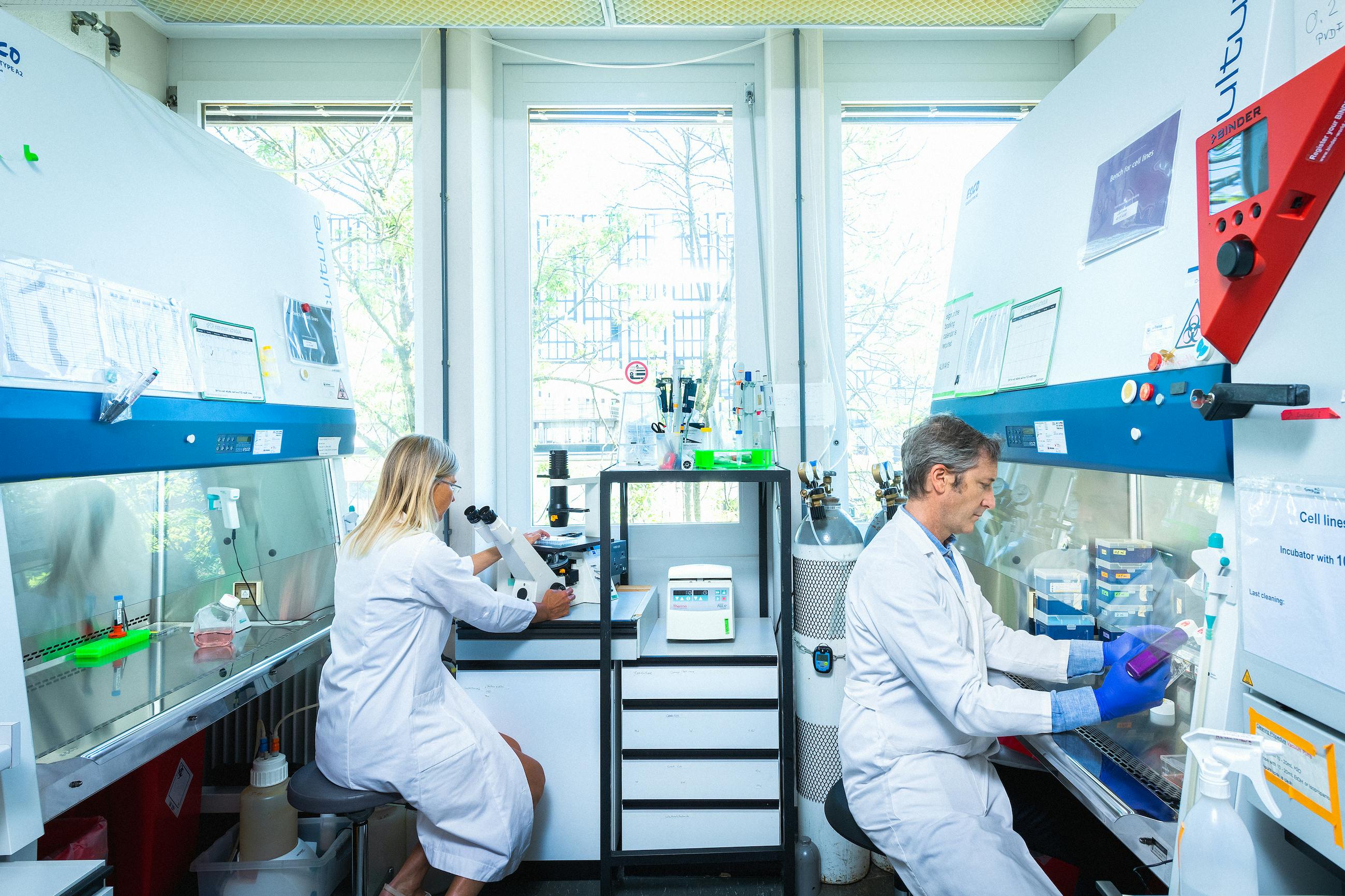
They want to revolutionize cancer treatment – with the help of gut bacteria: Anne Müller, Michael Scharl, Mitchell Levesque (from left to right)
Tumour cells under stress
How exactly this works in practice can be understood on two levels.
- Firstly, the transfer appears to alter the metabolism. The patient’s blood contains increased levels of certain unsaturated fatty acids, which can increase the oxidative stress in tumour cells. This puts them under pressure and leaves them more vulnerable to attack by the immune system.
- Secondly, FMT introduces not only individual bacteria, but rather a whole spectrum of microorganisms and their antigens into the gut. This works like a broad-based training programme, whereby cytotoxic T-cells are more intensively activated and put into a state of heightened alertness. As a result, tumour cells that previously evaded detection are more likely to be detected.
It has not been possible to identify any "miracle bacteria" – the effect does not appear to be limited to a single species, but rather arises from the complex interaction between the microbiome, metabolism and individual immune system architecture.
Search for immunological markers
For the research, this means shifting the focus. Instead of looking for the ideal bacterial composition, the spotlight is now on the use of precision medicine to determine the recipient’s characteristics. Which molecular and immunological markers can predict a response? Who has a sufficiently broad T-cell repertoire?
Clinically, the next step has already been set in motion. Another study is currently under way in collaboration with ZüriPharm AG to lay the groundwork for incorporating FMT into routine clinical practice in the future.
The Zurich findings are therefore not only changing our understanding of the gut microbiome, they also suggest that the effectiveness of immunotherapy depends on the immunological environment in which it is used. This will provide patients for whom treatment has previously been ineffective with a new, scientifically grounded option to explore.
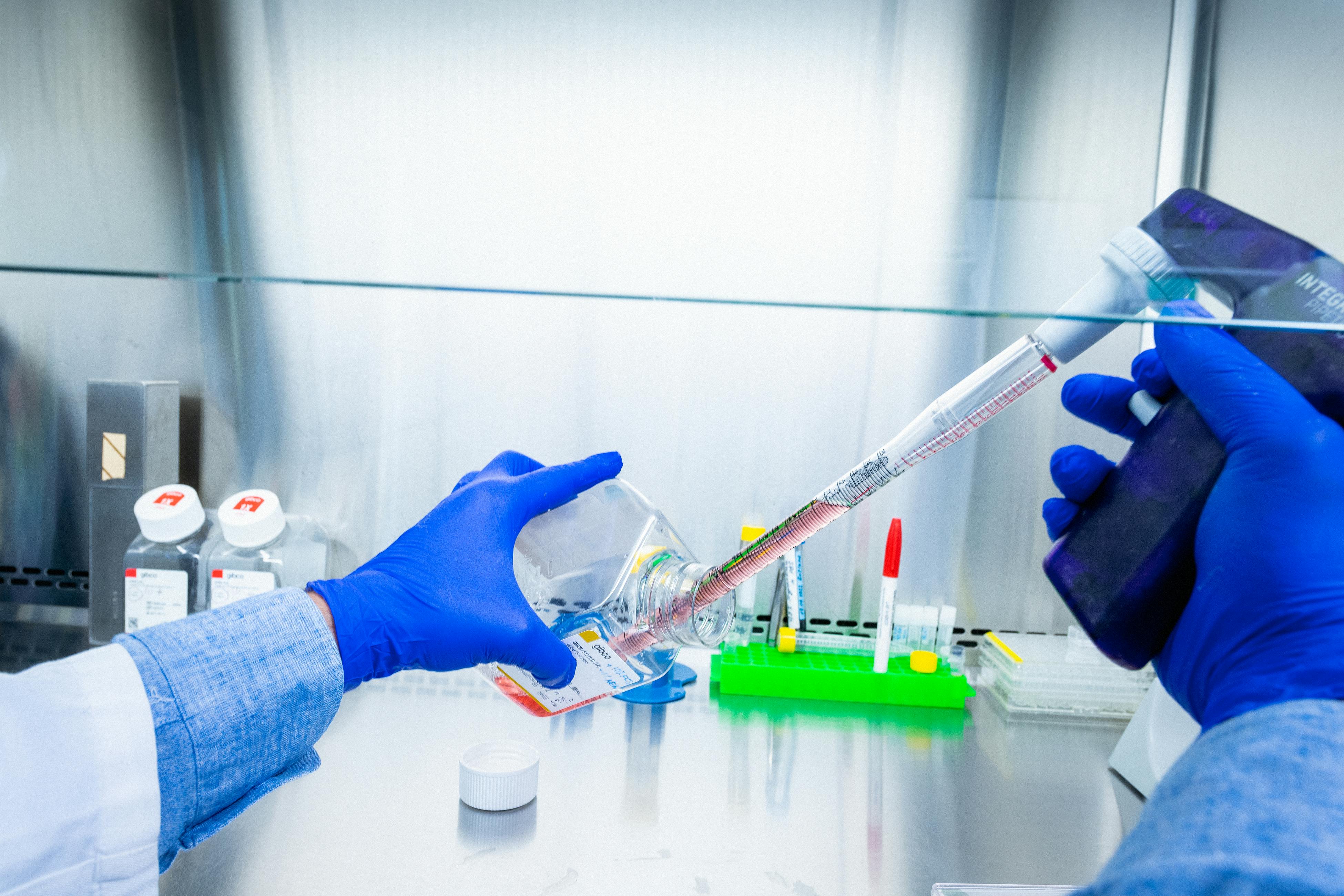
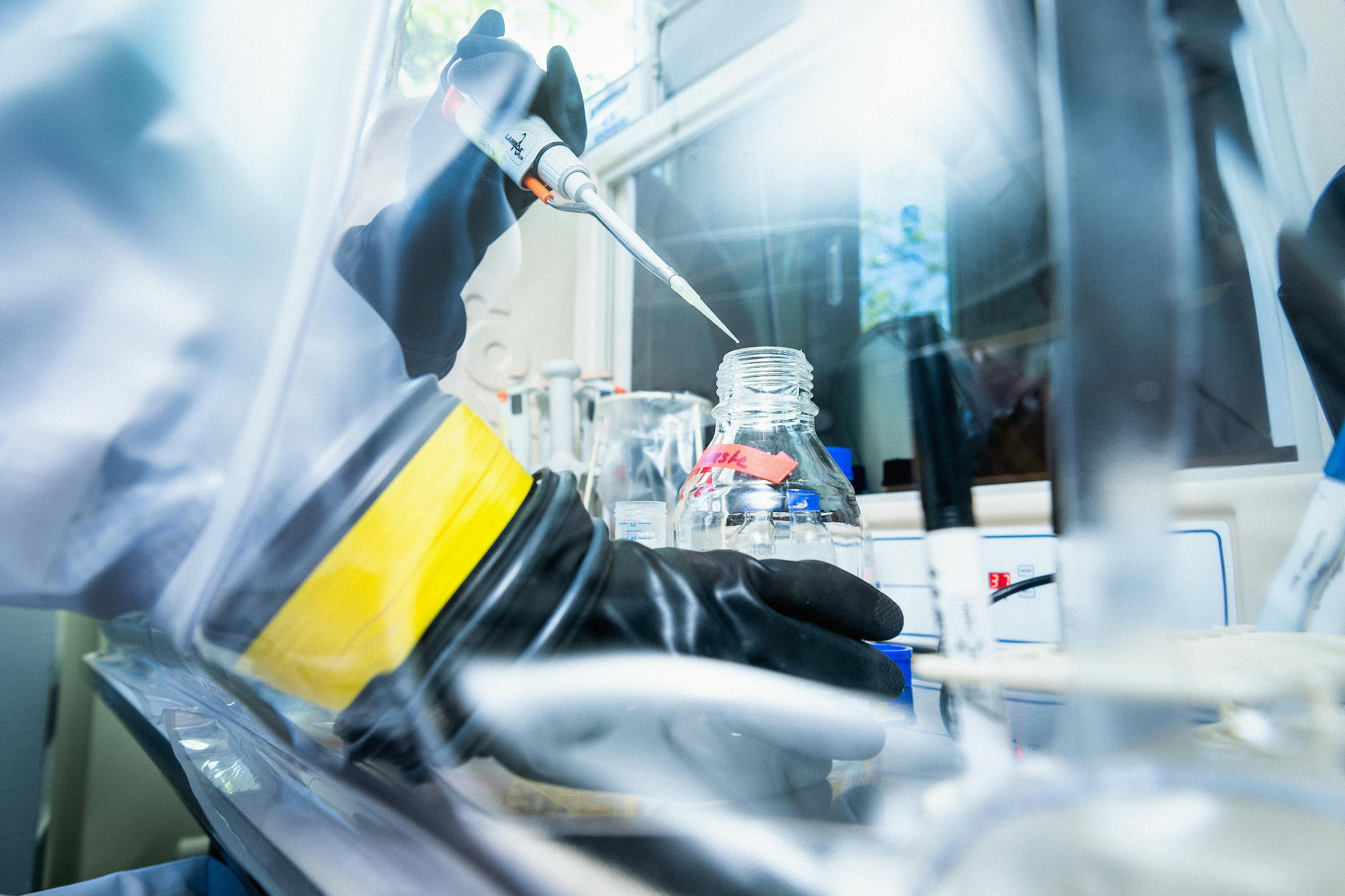
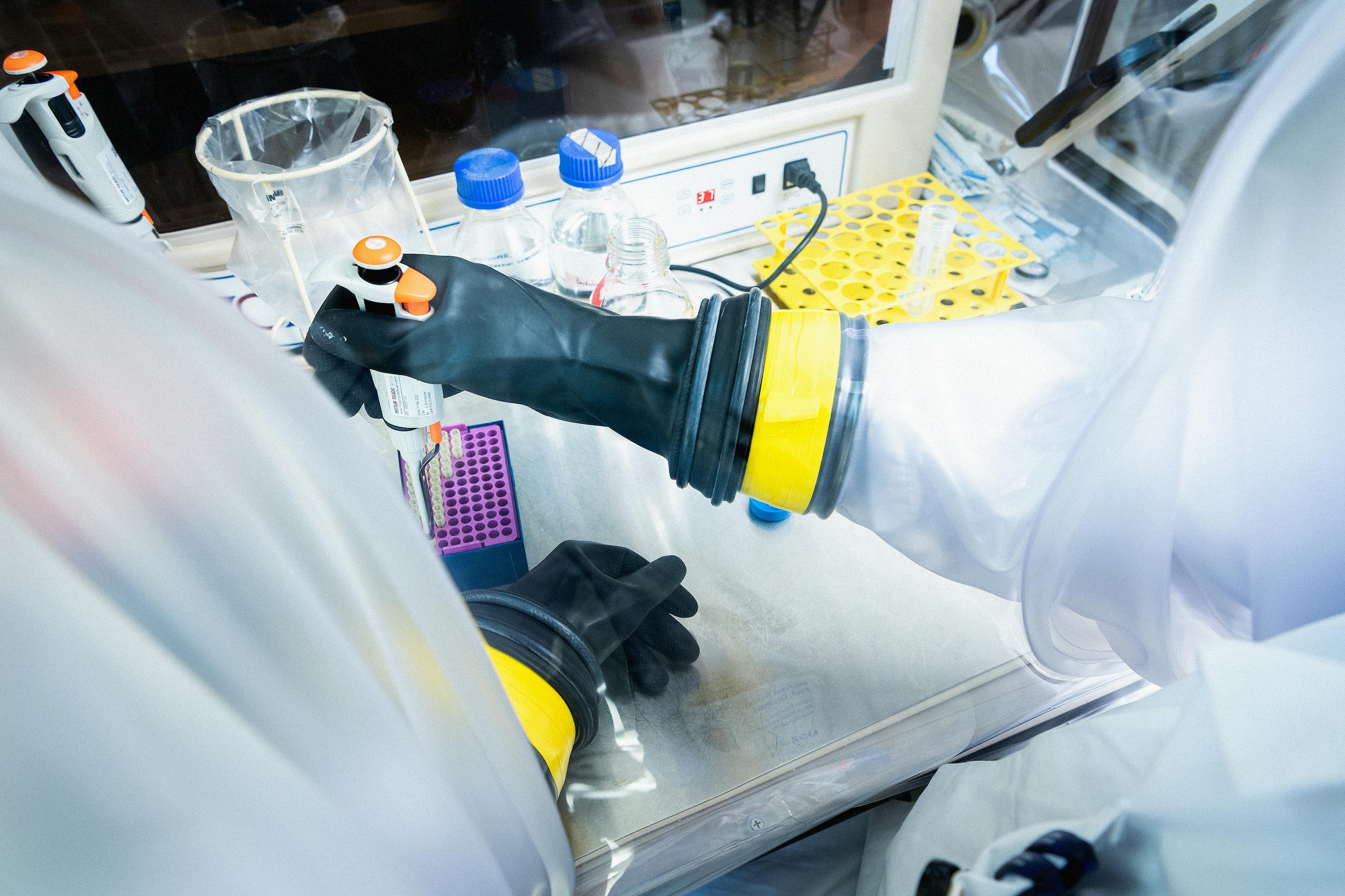
Stool from cancer patients is examined at molecular level.
Listen
Anne Müller (Audio file in German)
«Gut bacteria influence the effectiveness of immunotherapy»
Prof. Anne Müller is a professor of experimental medicine at the Institute of Molecular Cancer Research at the University of Zurich.
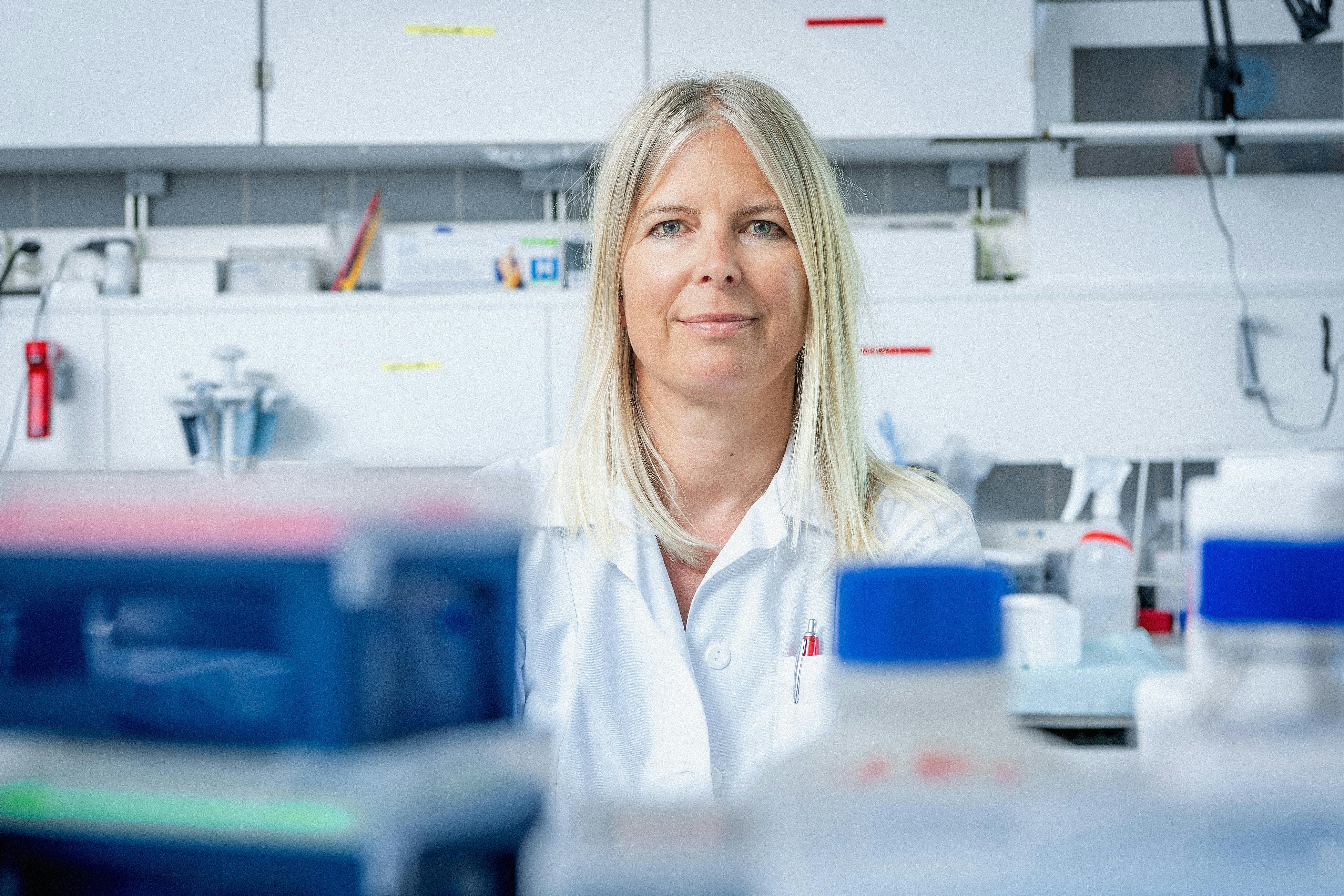
Michael Scharl (Audio file in German)
«By transplanting stool, we can make immunotherapy more effective against cancer»
Prof. Michael Scharl is Chief of Service in the Department of Gastroenterology and Hepatology at University Hospital Zurich and a professor of translational microbiome research at the University of Zurich.
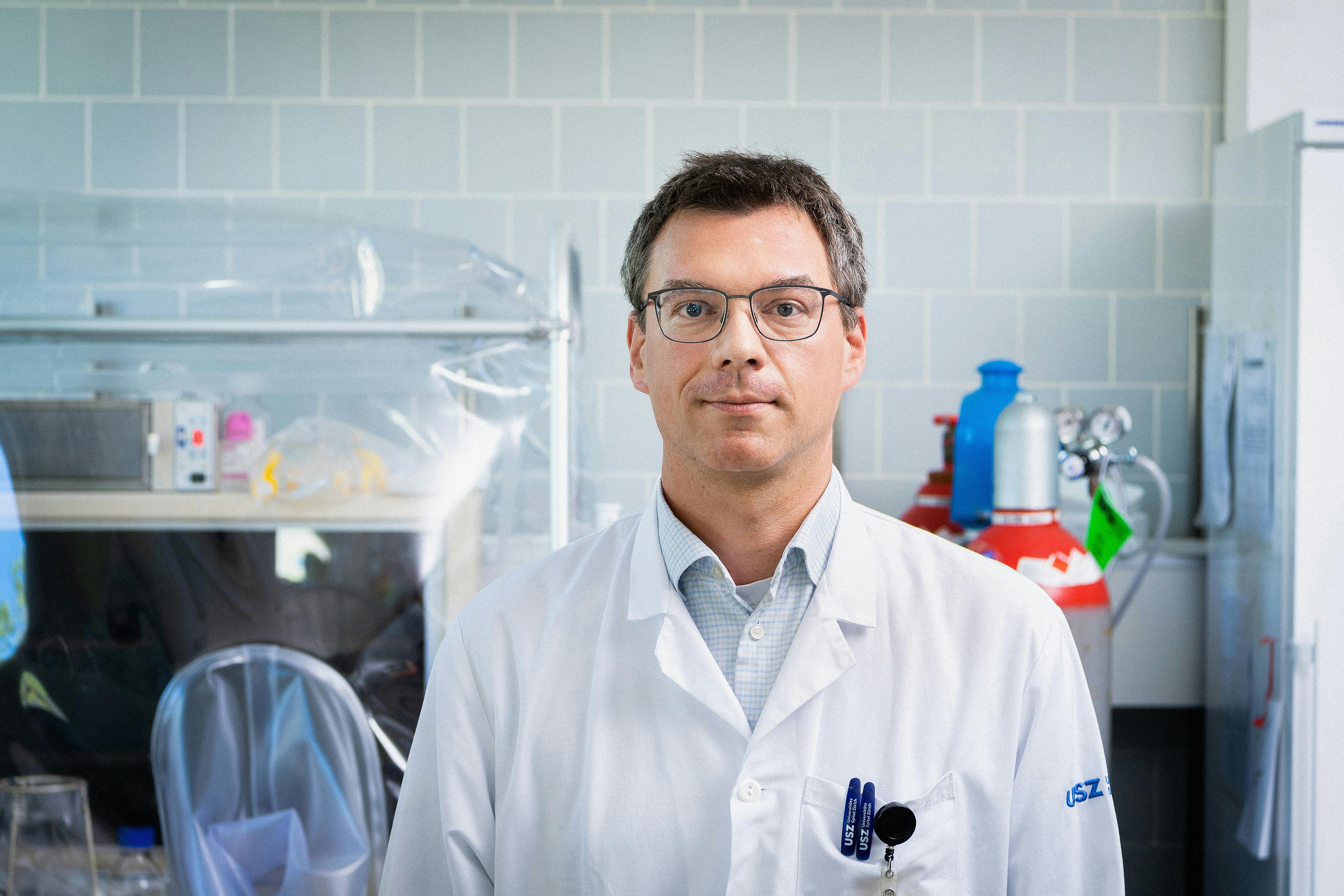
Mitchell Levesque
«Our study is revolutionary. It changes our perspective on how we treat cancer»
Prof. Mitchell Levesque is a research group leader in experimental immunodermatology in the Department of Dermatology at University Hospital Zurich and a professor in the Faculty of Medicine at the University of Zurich.
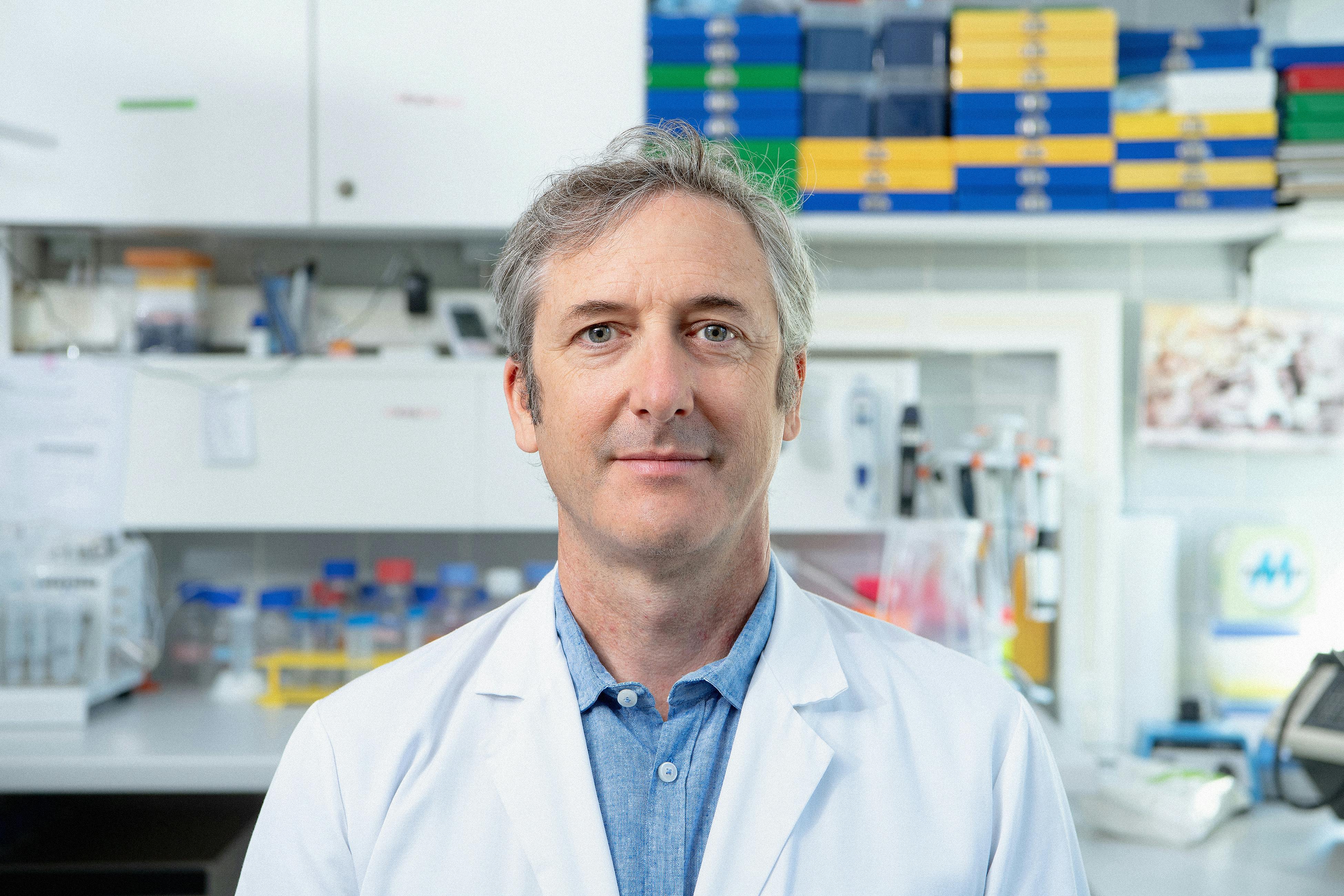
Patient (Anonymous, audio file in German)
«For me it was clear that I would participate in the study»
The patient is a recipient of a stool transplant.
Service
Would you like a second opinion?
Our joint center of excellence, the Comprehensive Cancer Center Zürich offers cancer patients a specialist expert opinion to help them to make an informed decision.
Dermatology online: University Hospital Zurich’s online skin check tool (in German)
Microbiome: Clinic at University Hospital Zurich
Glossary
Microbiome: the microbiome comprises all the microorganisms living in the gut.
Checkpoint inhibitors: checkpoint inhibitors are a type of immunotherapy. They aim to release the brakes on the body’s own immune system, boosting the existing, yet inactive, immune response and helping to fight the cancer.
Faecal microbiota transplantation (FMT): the transplantation of one person’s gut bacteria into another person’s gut via colonoscopy.
T-cells: T-cells are a type of white blood cell and are key components of the body’s immune defence. They detect and kill cells in the body that have been infected by a virus.
Gastroenterology: gastroenterology/hepatology comprises the diagnosis and treatment of gastric, intestinal, pancreatic and hepatic disorders.
Who is co-financing this project? (in CHF millions)
CCCZ
The project funding lasted from
2022 to 2025.
Credits
Text und Audio: Marita Fuchs, Rebekka Haefeli
Pictures: Frank Brüderli
University of Zurich: Anne Müller, Michael Scharl, Mitchell Levesque
University Hospital Zurich: Michael Scharl, Mitchell Levesque, Christian Britschgi


